How a Dedicated Craft Room Enhances Life in Independent Senior Living
Remember that spare bedroom you turned into a craft space, only to have it slowly taken over by holiday decorations and grandkid toys? Or maybe you’ve been crafting on the kitchen table for years, constantly clearing away projects for meals? If you’re considering independent living or senior cottages, here’s something that might surprise you: many communities now feature dedicated craft rooms that put your makeshift spaces to shame.
These aren’t just random tables shoved in a corner somewhere. Today’s retirement communities understand that creative pursuits aren’t just hobbies, they’re essential to wellbeing. Professional craft rooms with proper lighting, storage, and equipment have become major draws for seniors who finally have time to dive deep into creative projects they’ve been putting off for decades.
Space to Spread Out and Leave Projects in Progress
The luxury of not having to pack everything away, that’s what hits you first about a real craft room. Your half-finished quilt can stay spread across a cutting table. That scrapbook you’re assembling doesn’t need to be boxed up every evening. Paint can dry on canvases without anyone complaining about the smell or the mess.
In senior independent living communities, craft rooms offer expansive work surfaces that accommodate real projects. We’re talking about tables large enough for laying out entire quilts, cutting fabric properly, or working on multiple paintings simultaneously. Counter-height options save your back during long crafting sessions. Adjustable chairs provide proper support for detailed work.
Storage transforms from a constant battle to an organized system. Cubby holes for yarn stashes. Drawers for every size of paintbrush. Shelving that actually holds all those containers of beads, buttons, and findings you’ve collected. No more hunting through closets or basement boxes to find that specific shade of embroidery thread.
The psychological freedom of permanent workspace can’t be overstated. When you know your project awaits exactly as you left it, you’re more likely to work on it regularly. No setup time, no cleanup pressure, just walk in and create. This accessibility often leads to completing projects that might have languished in boxes at home.
Professional Equipment You Don’t Have to Buy
Quality equipment makes crafting more enjoyable, but who wants to invest thousands in tools at this stage? Retirement community craft rooms often feature professional-grade equipment available to all residents. Suddenly, projects you couldn’t justify the expense for become possible.
Kilns for pottery and ceramics open up entirely new creative avenues. Professional sewing machines, including sergers and embroidery machines, let you tackle complex projects. Die-cutting machines for scrapbooking and card making. Looms for weaving. Equipment that would break individual budgets becomes accessible through shared community resources.
Maintenance and supplies get handled too. No more troubleshooting why the sewing machine keeps jamming or running out for more printer ink mid-project. Communities typically provide basic supplies and maintain equipment in working order. You bring specialty items for your specific projects, but the basics are covered.
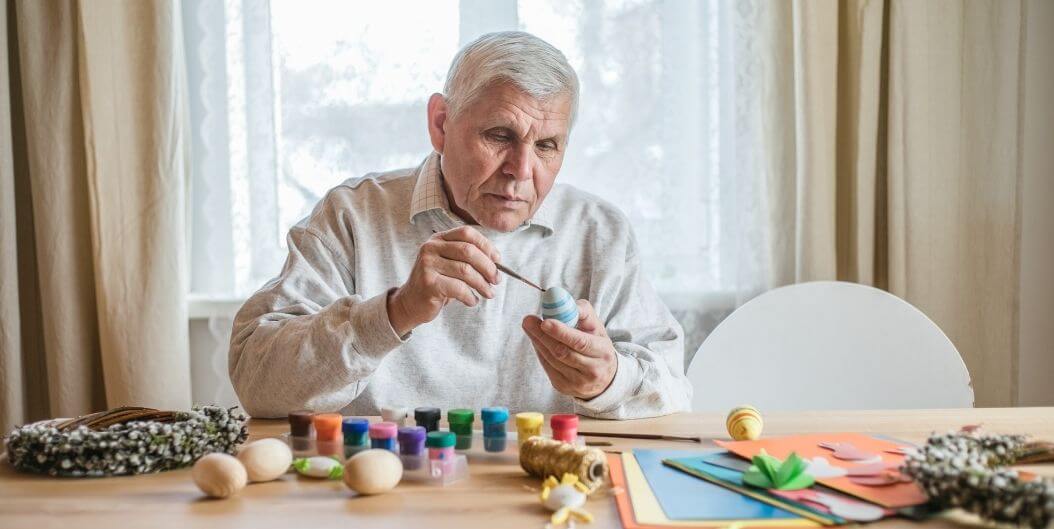
The variety of available tools encourages trying new crafts. Always wondered about pottery but didn’t want to invest in classes and equipment? Now you can experiment. Curious about jewelry making? The tools await. This low-risk exploration often leads to discovering new passions in retirement.
Built-In Community of Fellow Crafters
Crafting alone at home has its moments, but crafting alongside others who share your passion? That’s where magic happens. Independent living craft rooms naturally create communities within communities. You’ll find your people here, the ones who understand why you need just one more skein of yarn or appreciate the perfect button find.
Skill sharing happens organically. That resident who’s been quilting for fifty years becomes an informal teacher. Someone struggling with a knitting pattern finds three people eager to help. Advanced crafters mentor beginners. Everyone benefits from collective knowledge that no YouTube tutorial can match.
The social aspect combats isolation without forcing interaction. You can work quietly on your own project while still being part of the energy in the room. Conversations flow naturally over shared tables. Friendships form through admiring each other’s work and sharing techniques. It’s parallel play for adults, and it’s wonderfully therapeutic.
Organized Classes and Skill Development
While informal learning happens constantly, many senior cottages and independent living communities also offer structured craft classes. Professional instructors teach new techniques or help refine existing skills. These aren’t elementary school craft hours but serious skill development for engaged adults.
Classes might include watercolor techniques from actual artists, quilting methods from award-winning quilters, jewelry design from professional craftspeople, or pottery throwing from experienced ceramicists. The caliber of instruction often surpasses community education offerings because instructors enjoy teaching engaged, experienced adults.
Turning Hobbies into Purpose
Something powerful happens when crafting shifts from pure hobby to purposeful creation. Many independent living community’s craft rooms become production centers for charitable giving. Suddenly, your knitting creates warm hats for homeless shelters. Your woodworking provides toys for children’s hospitals.
Craft fairs and sales provide another outlet. Communities often organize events where residents can sell their creations. This isn’t just about money, though extra income is nice. It’s validation that others value your work enough to purchase it.
Teaching others provides perhaps the deepest purpose. Sharing skills you’ve developed over decades ensures they’re not lost. Leading informal workshops. Mentoring newcomers. Creating instructional materials for the craft room library. Your expertise becomes a community resource that outlasts individual projects.
Year-Round Creating Without Weather Worries
California weather is generally craft-friendly, but dedicated indoor spaces still matter. No more postponing projects because the garage is too hot or the basement too damp. Climate-controlled craft rooms mean consistent conditions for paint drying, clay working, and fabric storing.
Natural light matters tremendously for color work and detail. Well-designed craft rooms feature abundant windows supplemented by full-spectrum lighting. No more squinting at needlework or wondering if colors match. Your eyes get the support they need for detailed work.
Ventilation systems handle fumes from paints, glues, and other materials safely. No worry about bothering others with odors or dealing with headaches from poor air circulation. Professional spaces consider these health factors in ways home crafting areas rarely can.
The reliability of always-available space encourages regular crafting habits. No seasonal pack-up of supplies. No weather-related interruptions. This consistency helps many seniors establish crafting routines that support both productivity and wellbeing.
Making the Most of Your Craft Room Experience
Getting maximum benefit from a community craft room requires some adjustment if you’re used to solitary crafting. Start by spending time in the space during different hours to find your rhythm. Mornings might be quieter for focused work. Afternoons could be more social.
Consider how craft room access might influence your cottage or apartment choice. Some residents prefer units close to craft rooms for easy access. Others enjoy the walk as transition time. Think about how crafting fits into your ideal daily routine.
Most importantly, give yourself permission to experiment. With equipment and space readily available, retirement becomes the perfect time to try that ambitious project or new craft you’ve always considered. The combination of time, resources, and community support creates ideal conditions for creative growth.
Discover Your Creative Haven During Your Retirement at Ansel Park Independent Living
At Ansel Park Independent Living in Rocklin, California, our dedicated craft room stands ready to nurture your creative spirit. With professional equipment, abundant natural light, and space for projects large and small, we’ve created an environment where your artistic pursuits can flourish. Whether you’re continuing lifelong crafts or discovering new passions, our craft room community welcomes all skill levels and interests.
From our senior cottages to our independent living apartments, residents find that having a proper craft space transforms retirement into a time of creative exploration and meaningful connections. Visit us to see how the right craft room can enhance your independent living experience and provide the creative outlet you’ve been seeking.